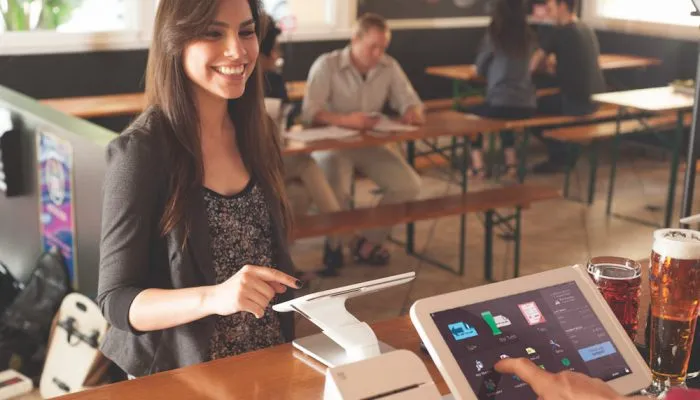
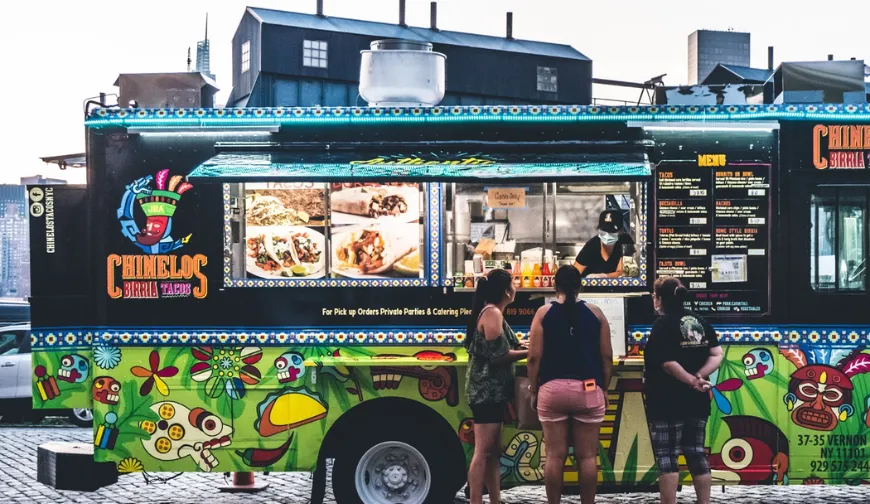
In the fast-paced environment of bars and lounges, efficiency and customer satisfaction are paramount. Modern POS (Point of Sale) systems equipped with innovative technologies can significantly enhance operational efficiency, streamline processes, and improve the overall customer experience. Here’s how innovative POS technologies can boost efficiency in bars and lounges.
1. Speed and Accuracy in Order Processing
Quick Order Entry: Advanced POS systems allow bartenders and servers to quickly and accurately input orders using touch screens, customizable menus, and quick access buttons for popular items. This reduces wait times and ensures prompt service.
Drink Modifications: POS systems should accommodate easy customization for drinks, allowing bartenders to handle special requests and modifications efficiently.
Order Display Systems: Integrating POS with kitchen and bar display systems ensures that orders are communicated instantly and accurately to the preparation area, reducing errors and speeding up service.
2. Streamlined Payment Processing
Multiple Payment Options: Innovative POS systems support various payment methods, including credit/debit cards, mobile payments, and contactless options, catering to diverse customer preferences.
Split Bills and Tabs: POS systems can efficiently manage split bills and open tabs, allowing groups to pay individually or keep a running tab without hassle.
Tipping and Gratuity Management: Seamlessly integrate tipping options during payment processing, ensuring that staff receive their tips accurately and promptly.
3. Inventory and Stock Management
Real-Time Inventory Tracking: POS systems with real-time inventory tracking help manage stock levels effectively, ensuring that popular items are always available and reducing the risk of running out of essential ingredients.
Automated Alerts: Set up low-stock alerts to notify staff when inventory levels are low, enabling timely reordering and preventing stockouts.
Waste Reduction: Monitor inventory usage and track waste to identify areas for improvement and reduce overall costs.
4. Enhanced Customer Experience
Loyalty Programs: Implement loyalty programs integrated with the POS system to reward repeat customers with points, discounts, or special offers, fostering customer loyalty and encouraging repeat visits.
Personalized Service: Store customer preferences and order history to provide personalized service, making guests feel valued and enhancing their overall experience.
Mobile Ordering: Allow customers to place orders and pay via mobile devices, reducing wait times and improving service efficiency, especially during peak hours.
5. Data-Driven Insights
Sales Analytics: POS systems generate detailed sales reports and analytics, providing insights into peak hours, best-selling items, and overall performance. This data helps in making informed decisions about menu adjustments, staffing, and promotions.
Customer Insights: Collect customer data to understand preferences and behavior, enabling targeted marketing efforts and personalized promotions.
Performance Tracking: Monitor staff performance, sales metrics, and productivity, identifying top performers and areas needing improvement.
6. Efficient Staff Management
Scheduling and Time Tracking: POS systems can manage employee schedules, track hours, and handle clock-in/clock-out functions, ensuring optimal staffing levels and accurate payroll processing.
Training and Support: Use the POS system to train new staff with guided interfaces and built-in support features, reducing training time and improving overall efficiency.
7. Security and Compliance
Secure Transactions: Ensure the POS system provides secure payment processing with encryption and compliance with industry standards like PCI-DSS, protecting customer data and reducing fraud risk.
User Access Control: Implement user permissions to control access to sensitive functions and data, ensuring only authorized staff can perform certain actions.
Regulatory Compliance: Maintain compliance with local regulations and industry standards, ensuring your bar or lounge operates within legal guidelines.
8. Seamless Integration
Third-Party Integrations: Choose a POS system that integrates seamlessly with other software and services, such as accounting software, inventory management tools, and marketing platforms.
Unified System: Ensure all aspects of the business are interconnected, from order taking to inventory management and customer relationship management, providing a holistic view of operations and improving overall efficiency.
Conclusion
Innovative POS technologies can transform the operations of bars and lounges by enhancing order processing, streamlining payments, managing inventory efficiently, and providing valuable data-driven insights. By investing in a robust and comprehensive POS system, bar and lounge owners can boost efficiency, improve the customer experience, and drive long-term success in a competitive industry.